
Foods to Avoid and Why
Understanding which foods undermine your wellbeing is the first step toward building a healthier relationship with nutrition. Explore the categories, ingredients, and patterns that deserve your attention.
Key Categories to Understand
Ultra-Processed Foods
Highly processed items loaded with additives, preservatives, and industrial ingredients often lack nutritional value whilst containing excessive sodium, sugar, and unhealthy fats. These foods are engineered for shelf stability and convenience rather than nourishment, making them a cornerstone of dietary patterns that warrant careful evaluation.
- Mass-produced snack foods
- Instant convenience meals
- Beverages with added sugars
High-Sugar Products
Foods and beverages containing refined sugars in excess provide energy spikes followed by crashes, whilst contributing to patterns that many nutritionists recommend reducing. Sweetened products often replace whole foods in people's diets, creating nutritional imbalances worth examining in detail.
- Sugary beverages and soft drinks
- Sweetened breakfast cereals
- Confectionery and desserts
Unhealthy Fats
Trans fats and excessive saturated fats appear frequently in fried foods, baked goods, and processed items. These fats differ significantly in how the body processes them compared to naturally occurring fats in whole foods, making them a frequent focus in nutritional guidance.
- Deep-fried foods
- Baked goods with trans fats
- Processed meat products
Artificial Additives
Artificial colours, flavours, and preservatives added to processed foods serve manufacturing purposes rather than nutritional ones. Many people choose to minimise these ingredients as part of a whole-food approach to eating, preferring foods closer to their natural state.
- Synthetic food colourings
- Artificial sweeteners
- Chemical preservatives
Excess Sodium
Many packaged and processed foods contain sodium levels far exceeding daily recommendations. Reducing salt intake is a common focus in nutritional education, as excessive sodium appears in unexpected places beyond obviously salty snacks and condiments.
- Cured and processed meats
- Tinned soups and sauces
- Pre-prepared convenience meals
Refined Carbohydrates
White bread, refined pasta, and other foods made from stripped grains lack the fibre and nutrients of whole grain alternatives. These refined products are absorbed quickly, creating different metabolic patterns compared to whole grains that retain their complete structure.
- White bread and pastries
- Refined pasta products
- Polished white rice
Understanding Ultra-Processed Foods
Ultra-processed foods represent a category of manufactured items engineered for palatability, convenience, and profit rather than nutritional value. These products often contain ingredient lists that read like chemistry experiments, with additives that never appear in a home kitchen.
The challenge with ultra-processed foods extends beyond individual ingredients. The combination of high sugar, unhealthy fats, and sodium creates patterns of consumption that displace whole foods from people's diets. When someone eats a takeaway meal laden with these components, they're simultaneously not eating the vegetables, legumes, or whole grains that would provide fibre, vitamins, and minerals.
Industrial Ingredients
Substances designed for manufacturing efficiency rather than nutritional benefit
Nutrient Displacement
High calories with minimal vitamins, minerals, or fibre content
Consumption Patterns
Often eaten in combination, multiplying the negative dietary impact

How to Identify Foods Worth Reconsidering
Read Ingredient Lists
Look for foods with ingredient lists you can recognise and pronounce. If a product contains more than ten ingredients or includes items you've never heard of, it's likely highly processed. Ingredients are listed by weight, so foods with sugar, oils, or additives as primary components warrant careful consideration.
Check Nutrition Labels
Review the nutrition facts panel for sodium, sugar, and saturated fat content. Compare products within the same category—some breakfast cereals, for example, contain far more sugar than others. Look at serving sizes and realistic portions you'd actually consume.
Consider Shelf Life
Foods that stay shelf-stable for months or years typically contain preservatives enabling that longevity. Whilst preservation has legitimate uses, ultra-long shelf lives often indicate a product engineered for manufacturing rather than fresh consumption. Compare with whole foods that naturally spoil.
Notice Your Response
Pay attention to how different foods affect your energy levels, digestion, and satiety. Ultra-processed foods often leave people feeling unsatisfied despite high calories. Whole foods typically provide greater satiety on fewer calories, which many people notice when they experiment with their choices.
Common Questions About Food Avoidance
Should I eliminate all processed foods?
Not all processing is harmful. Freezing vegetables, pasteurising milk, and tinning beans without added sugar represent minimal processing that preserves nutrition. The focus is on ultra-processed foods designed with industrial ingredients, excessive sugar, and unhealthy fats. Whole grain bread made by a bakery uses processing too—the distinction lies in purpose and ingredients.
How quickly will I notice changes?
Changes vary significantly between individuals. Some people report improved energy and digestion within days of reducing processed foods, whilst others notice gradual shifts over weeks. The key is consistency rather than perfection—making incremental swaps toward whole foods builds sustainable patterns rather than temporary extreme changes.
Are organic versions of junk food better?
Organic labelling refers to farming methods, not nutritional quality. An organic biscuit is still a biscuit—it remains high in sugar and low in nutritional density compared to whole foods. Organic certification is valuable in other contexts, but it doesn't transform ultra-processed items into health-supporting choices.
How do I navigate social situations?
Focus on what you can eat rather than restrictions. At restaurants, request preparations that highlight whole foods—vegetables, lean proteins, whole grains. At social events, bring a substantial dish aligned with your choices. Most people respect dietary preferences when they understand they're about personal wellbeing rather than judgment of others' choices.
Is cost a barrier to avoiding processed foods?
Whole foods offer excellent value when you compare cost per nutrient. Beans, lentils, seasonal vegetables, eggs, and frozen produce cost less per serving than many processed alternatives. Building meals around these staples reduces costs significantly. Shopping sales, buying in bulk, and seasonal eating further stretch budgets without requiring premium products.
Can I have occasional treats?
Sustainable eating patterns accommodate occasional foods you enjoy. The difference between occasional and regular consumption is significant. Having dessert once weekly creates a different nutritional context than daily consumption. Focus on building a foundation of whole foods, then treat choices become genuinely occasional rather than regular defaults.
Building Better Food Awareness
Assess Current Patterns
Spend one week noticing what you eat without judgement. Write down meals, snacks, and drinks. Look for patterns—which processed foods appear regularly, which are occasional. Understanding your baseline shows which changes would have the most impact and reveals habits worth addressing.
Identify Swaps
Rather than removing foods, replace them. If you regularly drink sweetened beverages, swap for water, herbal tea, or sparkling water. If white bread appears in every meal, switch to whole grain varieties. Small substitutions compound into significant dietary shifts without requiring sudden extreme changes.
Build Whole Food Habits
Focus on adding whole foods—vegetables, fruits, legumes, whole grains, nuts, and unprocessed proteins. Rather than restriction mindset, cultivate abundance mindset. When meals centre on nutrient-dense whole foods, processed items naturally occupy less space without willpower battles.
Visual Guide to Food Categories

Sugar Content Reality
Many beverages and desserts contain more sugar than recommended for an entire day in a single serving.

Ingredient Count
Whole foods typically have zero ingredients, whilst ultra-processed items contain dozens of additives and unfamiliar substances.

Nutritional Density
Whole foods pack vitamins, minerals, and fibre into fewer calories compared to nutrient-stripped processed alternatives.

Hidden Sodium
Salt appears in unexpected places—tinned soup, bread, and sauces often exceed recommended daily limits in single servings.
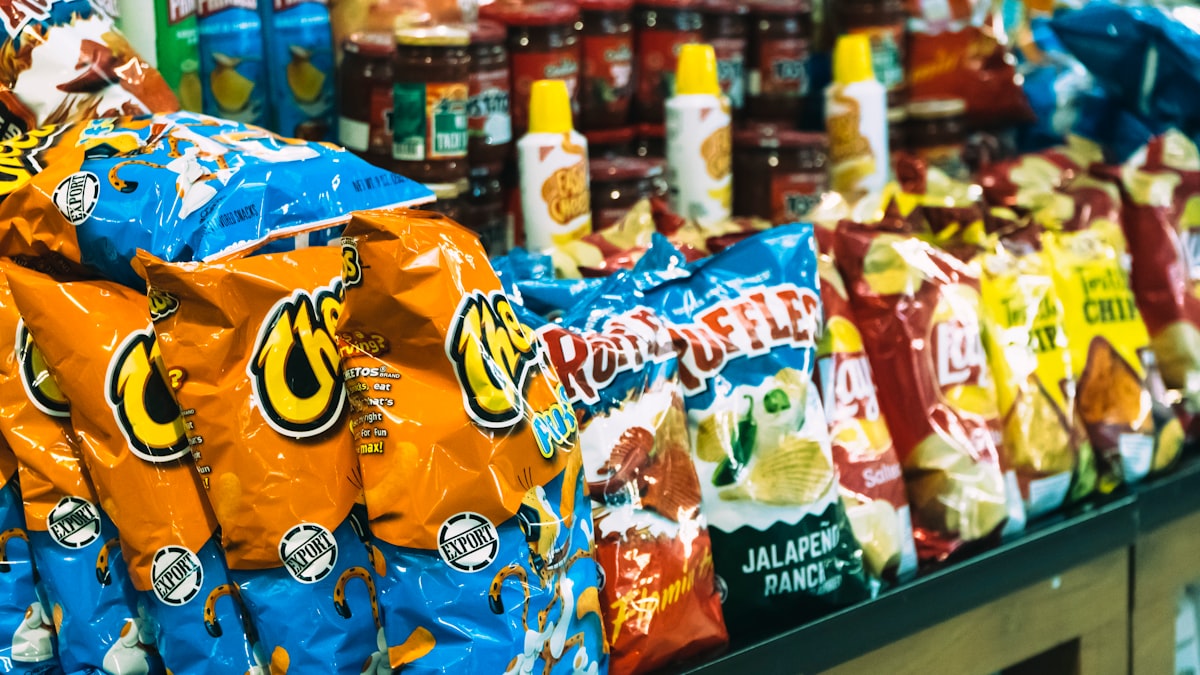
Unhealthy Fats
Deep-fried foods and baked goods contain trans fats and excessive saturated fats that behave differently in your body.
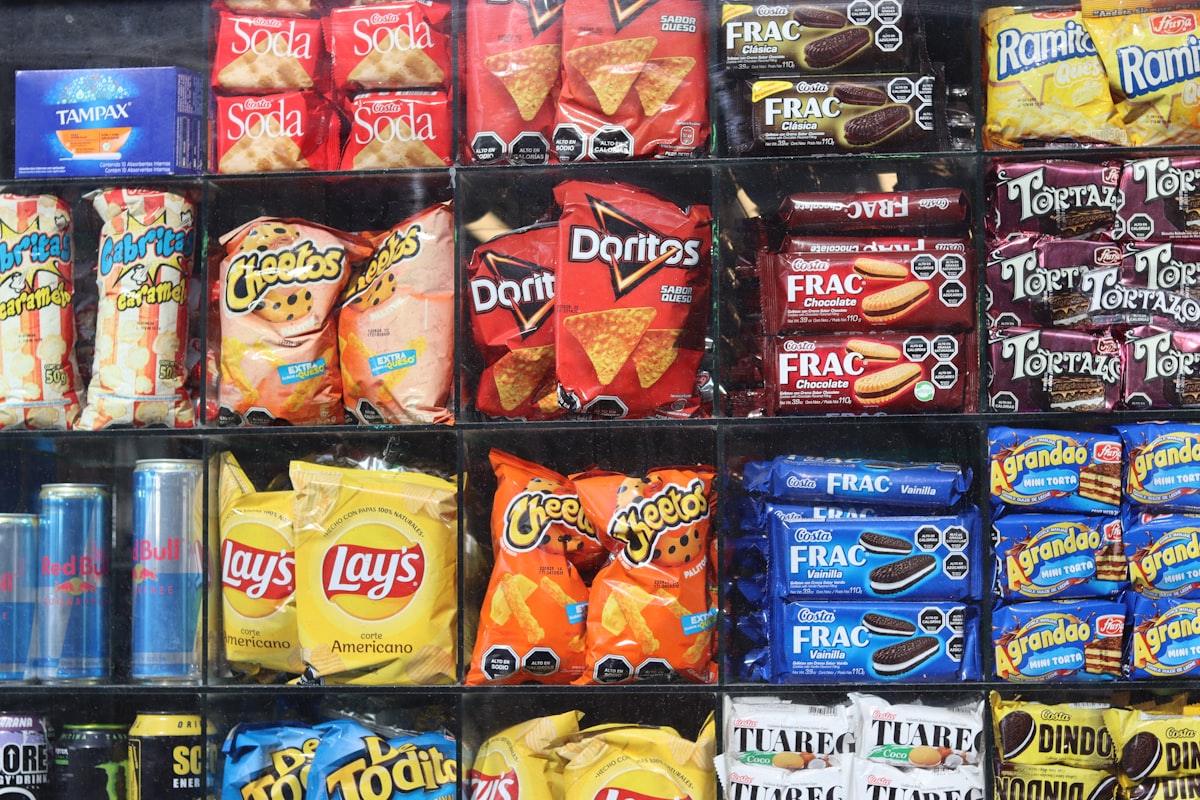
Artificial Additives
Synthetic colours, flavours, and preservatives serve manufacturing purposes rather than providing nutritional benefits.